


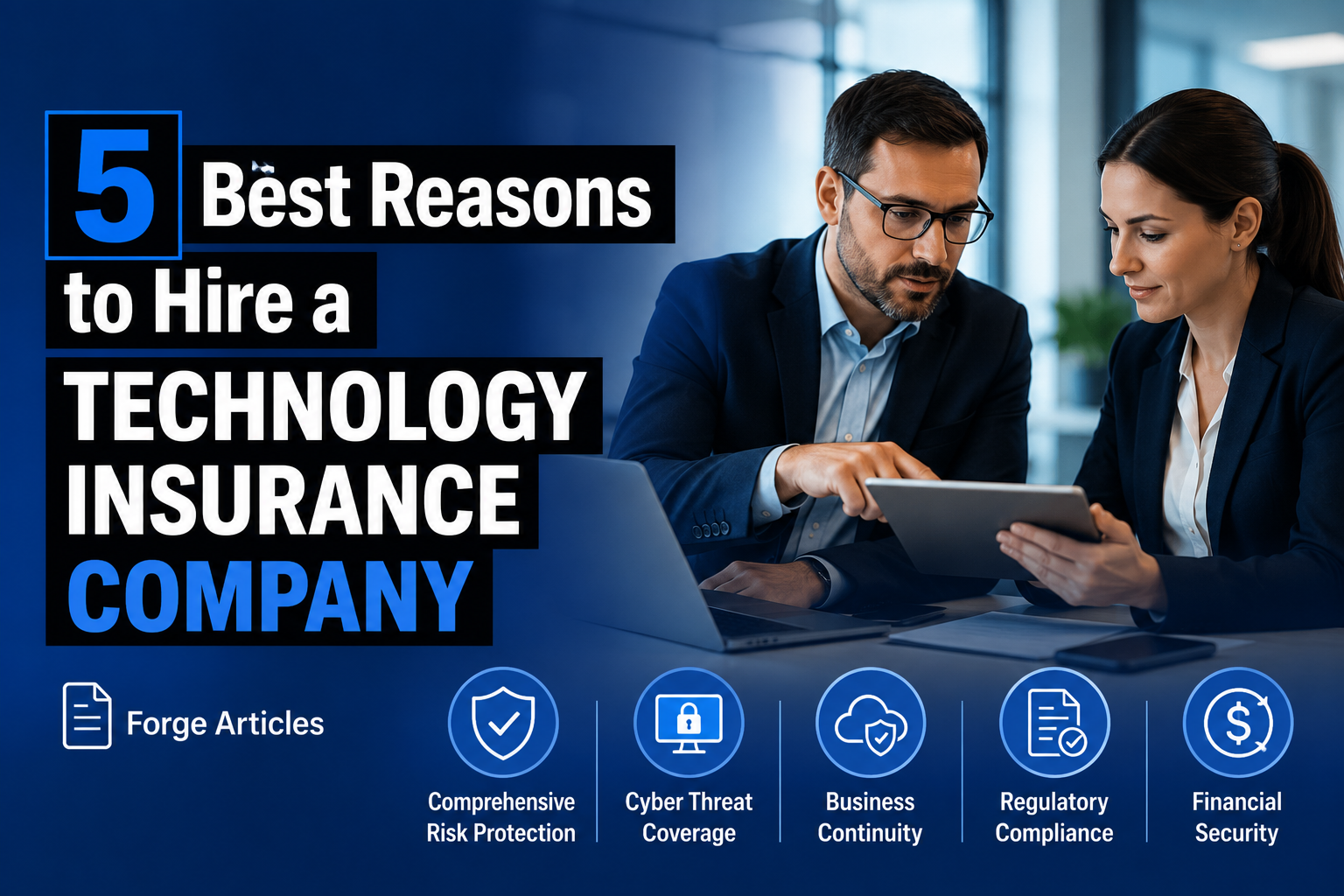
Choosing the right technology insurance company is critical in today’s rapidly evolving digital landscape. From software-as-a-service (SaaS) providers and IT consultants to hardware manufacturers and e-commerce platforms, technology companies face a unique set of operational risks. While a traditional brick-and-mortar business primarily worries about physical property damage or slip-and-fall accidents, a tech company faces threats that are largely invisible, highly complex, and shifting by the day. To survive in this volatile environment, partnering with a specialized insurer is no longer just a luxury—it is a fundamental business requirement.
In the lightning-fast evolving digital age, technology businesses today do not conduct their business like many traditional brick-and-mortar companies. Whether your organization is a SaaS company, IT consulting firm, software developer, hardware supplier, or online e-commerce platform, there is a distinctly different risk landscape that you face every day.
Instead of a landlord concerning himself or herself about water damage or a customer slipping and falling, you are concerned with a variety of largely intangible risks that are often difficult to grasp and that change rapidly.
Now, there is an indispensable ingredient for every tech business: a technology insurance company broker.
What is a Technology Insurance Company?
The Meaning of a Tech Insurance Provider: “technology insurance company”. Tech insurers are private insurance companies that offer and manage their underwriting and insurance policies for the tech industry. Because typical business policies contain gaps in coverage, such as for digital products like software, digital services, or any kind of digital assets and software code.
Tech insurers bridge these coverage gaps by addressing technology’s unique risks- from coding glitches and cloud downtime to cybersecurity threats and regulatory compliance related to digital data-and by tailoring coverage options based on how your tech business operates.
Core Insurance Coverages for Tech Firms
The modern technology insurance company policy covers quite a lot in the form of a well-planned strategy of managing risks. It covers quite a few vital kinds of insurance.
1. Technology Errors and Omissions (Tech E&O)
It’s essential coverage for every software developer, IT consultant, and tech service company. Imagine a client’s systems crash due to a software bug and the company suffers substantial losses; the client could sue for the mistakes. Technology E&O insurance protects you from the cost of a legal battle, settlement, and/or a judgment based on the advice, services,s or products that don’t deliver as expected.
2. Cyber Liability Insurance
Ransomware attacks and data breaches are two of the biggest risks businesses face today. If you’re a victim, cyber liability insurance covers the crippling financial toll of a data breach, including:
- Notifying affected users and customers.
- Setting up credit monitoring services.
- Hiring forensic experts to investigate the breach.
- Paying legal penalties and public relations management fees.
3. General Liability and Commercial Property Insurance
While many businesses may exist primarily on the Internet, there’s no such thing as a business that is 100% invisible – which means it requires physical security too. General liability can protect against injuries sustained by a third party while they visit your office (say, a slip in the parking lot). Commercial property technology insurance company safeguards your physical assets, such as expensive servers, computers, offices, and lab equipment, against fires, theft, and natural disaster damage.
4. Directors and Officers (D&O) Insurance
When venture-backed tech startups are in a fundraising round or get ready for an IPO, the stakes get very high, with investors as well as regulators breathing down their necks. D&O insurance is an umbrella that protects the personal assets of company directors against litigation brought against them by their shareholders and regulators in the event of poor management, failure of fiduciary duty, misrepresentation, and similar issues.
Why Standard Business Insurance is Insufficient
A classic error among burgeoning tech entrepreneurs is buying off-the-rack commercial technology insurance company. The policy may protect your $2,000 laptop from theft, but the $500,000 in source code inside it or the large potential client data exposures connected to it get zilch protection.
Additionally, a traditional insurer doesn’t typically have the tech talent to fully evaluate a technology risk. A specialist technology insurer would utilize skilled underwriting talent familiar with the implications of open source exposures, the integration of an API, and how your cloud is hosted to size your coverage and deductible to the actual risk you carry.
Strategic Advantages of Choosing the Right Insurer
There are some significant strategic business advantages to obtaining technology insurance company from an experienced tech underwriter:
- Facilitating Client Contracts: Tech E&O and Cyber Liability technology insurance company policies that are issued at a high coverage level are almost invariably an item required for an enterprise client and the Government to see on the contract before executing it.
- Attracting Top Capital: Startup founders can’t expect to get cash from angel investors or venture capital funds if they don’t have the necessary coverage for leadership to protect them against systemic risks.
- Proactive Risk Management: What sets a top cyber insurer apart is not the technology insurance company check, but access to early cyber-threat screening, training programs, and an incident response plan that will avoid a disaster from being caused in the first place.
Final Thoughts
The innovation of the technology sector can be extremely rapid, but so can the liability that comes with it. A small data breach or a mis-implemented software solution could sink a burgeoning start-up in the blink of an eye. Working with a specialist technology insurance company partner protects your digital assets, fulfills your contractual requirements, and offers you peace of mind to concentrate solely on scaling your innovation.
